Fast, accredited, defensible data across every product category
Every product category carries its own risks, regulations, and testing requirements. Find your product below to see the tests that matter most—backed by ISO 17025-accredited methods and defensible data you can put in front of regulators, retailers, and customers.
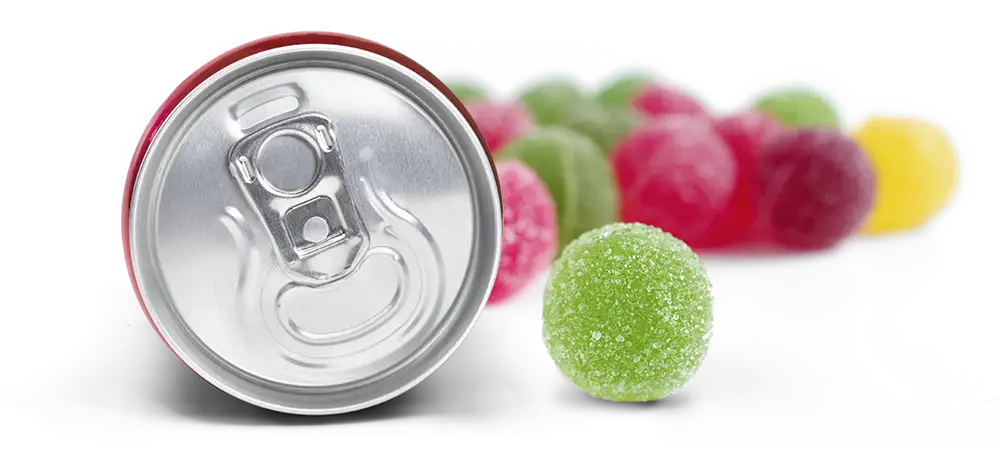
Dosage consistency is the single biggest compliance and liability risk for edibles and beverages. A single mixed batch can fail an entire product line if homogeneity isn’t verified.
Ex. Functional Beverages, Chocolates, Candies, Gummies
Recommended testing:
- Homogeneity Confirms even dosage distribution throughout the batch
- Active Ingredients Quantifies caffeine, botanicals identification, potency, and purity (ex. cannabinoids, alkaloids, tryptamines, etc.)
- CBD & THC Beverage Testing
- pH Analysis
- Water Activity Shelf stability, especially for baked goods and gummies
- Microbial Impurities
- Heavy Metals & Elemental Impurities
- Mycotoxins
Concentrates carry the highest solvent exposure risk in the product landscape. Residual solvent testing isn’t optional here — it’s the test most likely to determine whether a batch passes or fails.
Ex. Vape cartridges & disposables, live resin, rosin, wax/badder, shatter, bubble hash, dab-ready distillate
Recommended testing:
- Residual Solvents Critical for extraction-based products
- Cannabinoids Potency for high-concentration products
- Terpenes
- Pesticides, Fungicides, & Herbicides Concentrated during extraction, so accuracy matters more
- Heavy Metals & Elemental Impurities
- Microbial Impurities
- Foreign Material

Screening raw inputs (biomass, distillate, isolate) before they enter production protects your investment and prevents costly failures downstream. SC Labs’ field sampling team can test material at the source before you purchase.
Ex. Bulk biomass & trim (pre-processing), crude and winterized oil, bulk distillate & isolate (pre-formulation), botanical extract powders sourced for manufacturing
Recommended testing:
- Potency Verify dosage accuracy before purchase
- Moisture Content For biomass and flower inputs
- Pesticides, Fungicides, & Herbicides
- Residual Solvents For distillate and isolate
- Heavy Metals & Elemental Impurities
- Microbial Impurities
- Foreign Material
- Microextraction for Pesticide Testing Faster turnaround for input screening
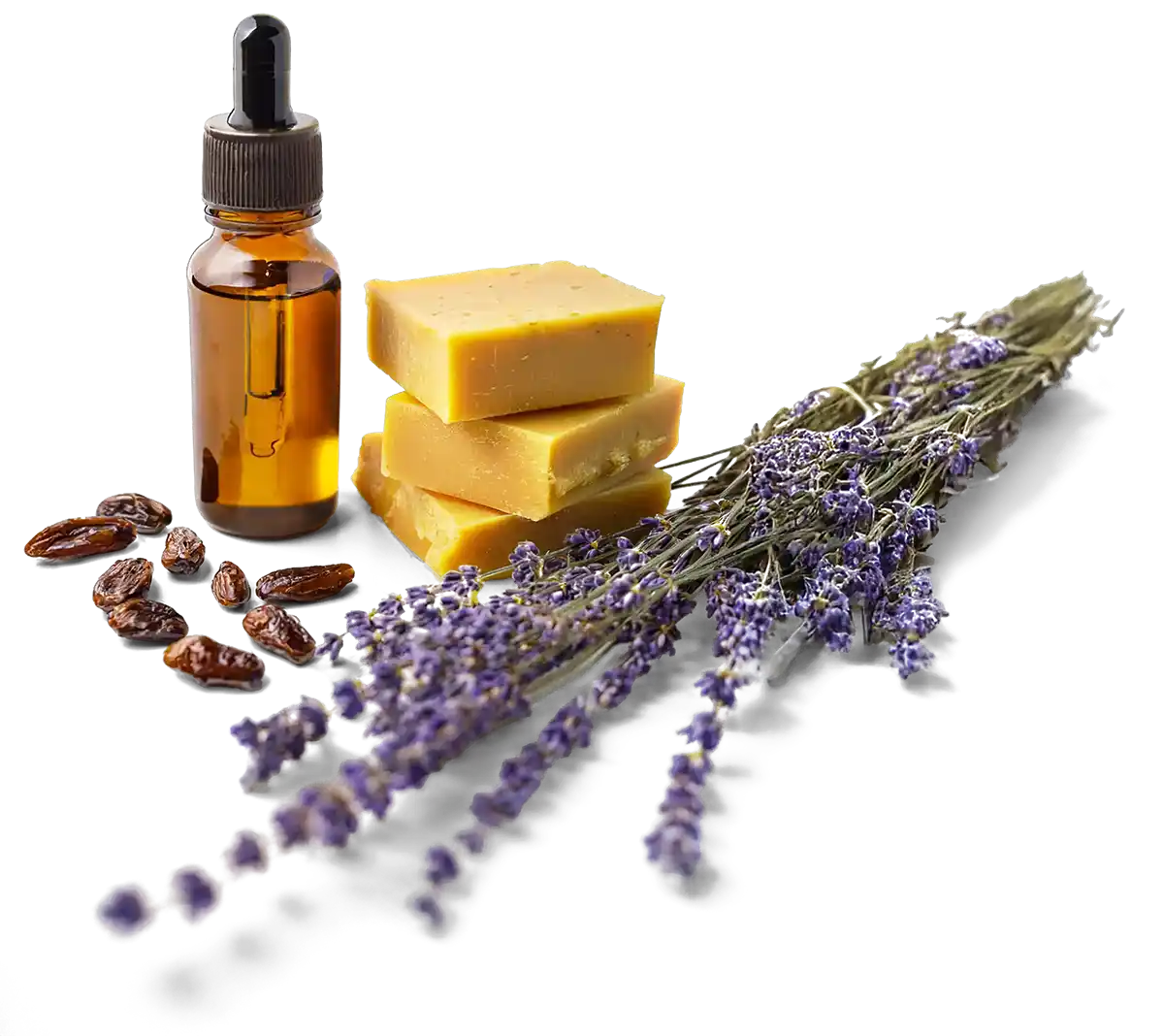
Beyond cannabis and hemp, botanical raw materials carry their own active-ingredient and contamination profile. Accurate potency data and contaminant screening are essential for brands building trust in an emerging, less-regulated category.
Ex. Kratom leaf & powder, kava root, functional/adaptogenic botanicals (reishi, lion’s mane, ashwagandha), botanical tea blends
Recommended testing:
- Active Ingredient Testing Alkaloid/compound-specific potency (e.g., mitragynine for kratom, kavalactones for kava)
- Heavy Metals & Elemental Impurities A documented contamination risk across botanical raw materials
- Pesticides
- Microbial Impurities Critical given past industry recalls tied to contaminated botanicals
- Mycotoxins
- Moisture Content Stability and mold prevention for dried plant material
- Foreign Material
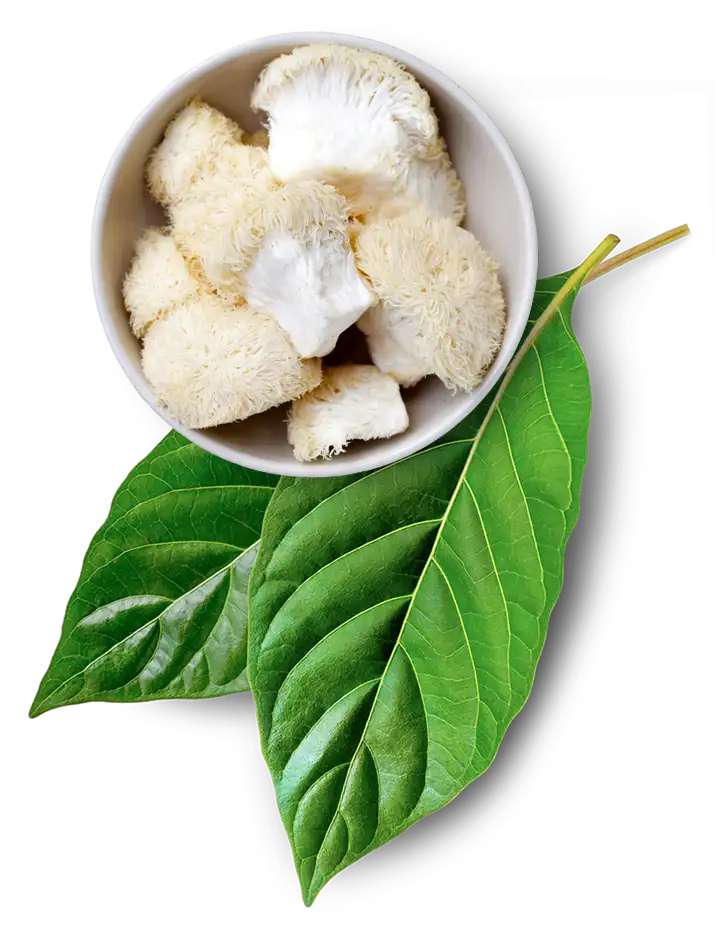
Flower and pre-rolls are the most heavily scrutinized product category in cannabis. Potency accuracy and contaminant screening directly affect compliance, shelf life, and consumer trust.
Ex. Flower, pre-rolls, infused pre-rolls, smokable hemp flower
Recommended testing:
- Cannabinoids Potency accuracy for label compliance
- Terpenes Flavor and effect profile differentiation
- Moisture Content Shelf stability and mold prevention
- Pesticides Required for compliance in all legal markets
- Heavy Metals & Elemental Impurities
- Microbial Impurities Mold and pathogen screening
- Mycotoxins
- Foreign Material

Precise, consistent dosing is what customers are paying for with tinctures and capsules — testing verifies that what’s on the label matches what’s in the bottle, serving after serving.
Ex. Sublingual drops, softgels, capsules, oral suspensions
Recommended testing:
- Potency Dosage accuracy and label compliance
- Homogeneity For batch consistency across units
- Residual Solvents If extraction-derived
- Heavy Metals & Elemental Impurities
- Microbial Impurities
- Pesticides

Topicals and transdermals are applied to skin rather than ingested or inhaled, which changes which contaminant risks matter most — but potency accuracy and microbial safety remain essential.
Ex. Lotions, balms & salves, roll-ons, transdermal patches
Recommended testing:
- Potency Dosage accuracy and label compliance
- Microbial Impurities Critical for skin-contact products
- Heavy Metals & Elemental Impurities
- Residual Solvents If extraction-derived
- pH Analysis Relevant for skin-applied formulations
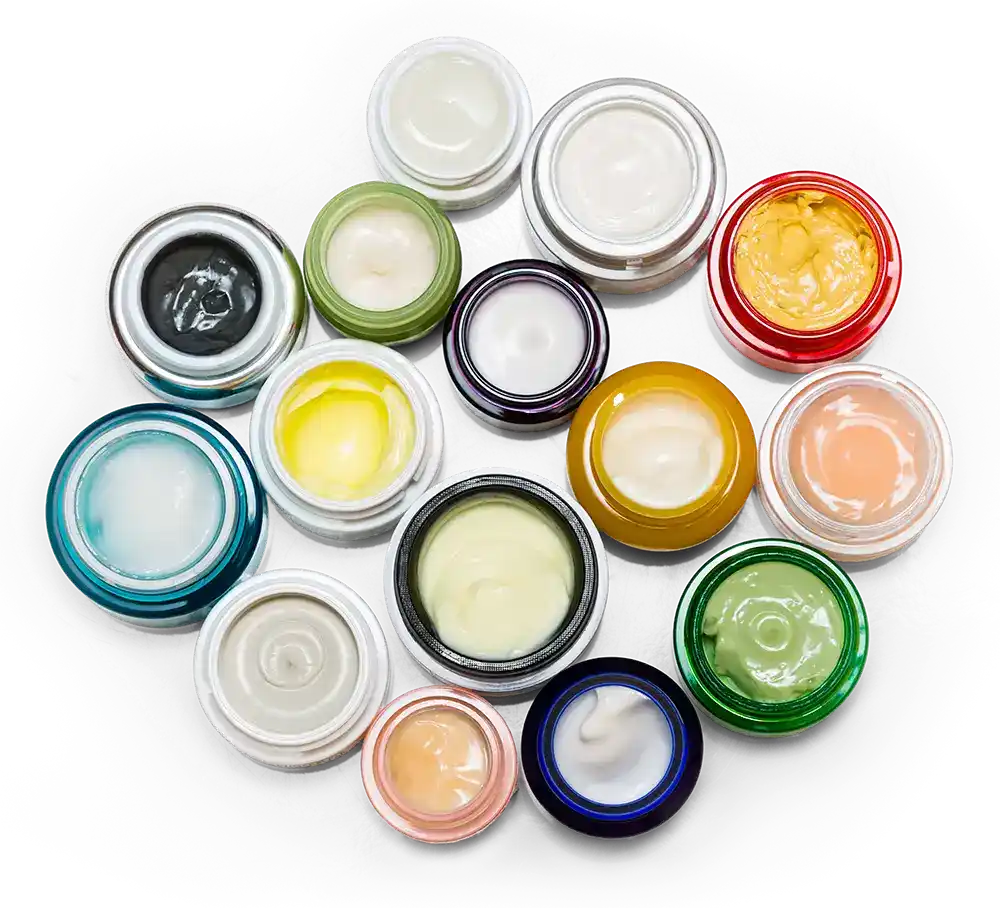
Environmental testing protects the facility, not just the product. This supports cultivators and processors with input and environmental screening to catch issues before they reach a finished product.
Ex. Swabs (Prep surfaces, ventilation, etc), Media, Fertilizer, Water, Soils
Recommended testing:
- Microbial Impurities Mold and pathogen screening
- HLVd and other Viroids Plant pathogen screening for cultivators
- Pesticides For water, soil, and input testing
- Heavy Metals & Elemental Impurities for water and soil